

The UK offers several opportunities for international students to have an enjoyable experience, develop and appreciate different perspectives, and make new friends.
The country of four great nations provides:
- Excellent educational infrastructure
- Distinguished teaching methodologies
- Quality research facilities
- Rich heritage with diverse cultural backgrounds
If you want to study and work in the UK, you can be rest assured to receive the support and space you need. The UK prides itself on education that is built upon robust historical foundations. The more you experience here, the more ambition you will gain for world-class education.
Home to some of the world’s most outstanding educational institutions, these institutes have been globally ranked highly over the years. The unique teaching style also lends itself to strengthening students’ critical thinking skills, exposing them to new and emerging technologies.
In partnership with Expert Education & Visa Services, ELA can support you in preparing for your academic journey in the UK. Guidance is available for the United Kingdom student visa application, as well as scholarship opportunities where applicable. You may also get in touch with Expert Education, for further assistance.
Universities and Courses Available
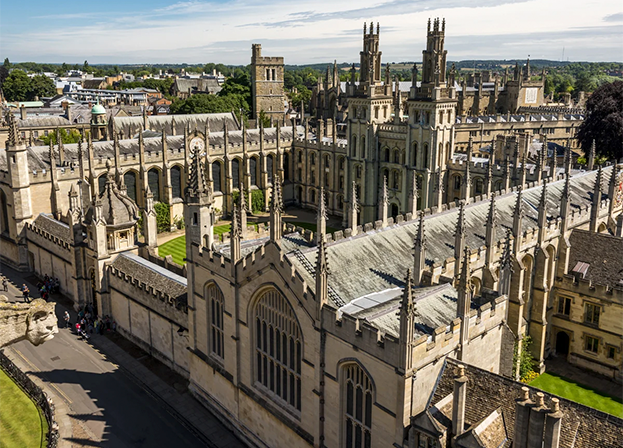
In the UK, international students will benefit from unparalleled education standards.
Here’s a list of some of the universities in the UK, offering undergraduate to postgraduate courses.
- University of Plymouth
- University of Bradford
- Middlesex University
- UWE Bristol
- University of Creative Arts
- University of Wales Trinity Saint David
- University of Bedfordshire
- London Metropolitan University
- University of West London
- University of East London
- University of Northampton
- Coventry University
- University of Sunderland (London Campus)
- Imperial College London
- Birkbeck, University of London
- Birmingham City University
- Royal Northern College of Music
Popular Study Areas:
- Business
- Engineering
- Law
- Medicine
- Social Science
- Media & Communication
- Accounting
- Economics
- Finance
- Social Studies
- Humanities
- Journalism
- Environmental Studies
Fee, Scholarship, Cost of Living

The Best Education for a Bright Future
Before you pick the location to study in the UK, we advise that you first browse through university websites and check the course tuition fee. The cost of studying depends on the university and course selected, and the length of the course matters too. So, after getting a comparative analysis, you will have a better idea of the costs involved and the admission requirements.
The total average cost of studying in the UK is estimated to be at least £22,200 per year, while the price for studying in London is likely to be significantly more expensive. Below table gives an overview of the costs involved:
- Undergraduate bachelor’s programme: £7,000 to £20,000+ per year
- Postgraduate master’s programme: £10,000 to £25,000+ per year
- Doctoral programme: £15,000 to £30,000+ per year
Scholarship to Study in the UK
There is no denying that studying in the UK can be expensive. However, many scholarships are available for international students. You can check university websites to identify available scholarships.
If you are planning to pursue a postgraduate degree in the UK but require funding, the GREAT Scholarship can support your studies. Other scholarships are also available, including global scholarships, country-specific scholarships, and science and research funding support. In partnership with Expert Education & Visa Services, ELA can support you in identifying suitable scholarship opportunities. You may also get in touch with Expert Education, for further guidance.
Cost of Living in the UK
Living expenses vary from one city to another. While exact figures may differ, you can refer to approximate costs as a guide.
| Expense | Amount (GBP) |
|---|---|
| UK Student Visa Application Fees | £348+ (one-time) |
| Housing | £500+ per month |
| Transportation | £150–200+ per month |
| Food | £150–200+ per month |
| Clothing and Leisure | £50+ per month |
| Telephone and Mobile | £50+ per month |
Additional costs may include covering:
- University or private accommodation
- Long and short travel: railways, intercity buses
- Utilities: books, stationery, electricity, gas, water, clothes, toiletries, etc
- Food: cooking at home or ordering online
Admission Process
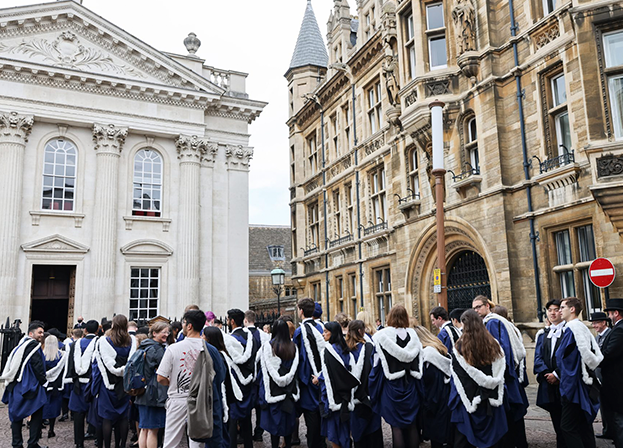
Applying to study in the UK as an international student is a pretty straightforward process.
- Select the university, college or course
- Register
- Apply
Once you receive approval to study at the university, you can start arranging for the funds necessary. Lastly, you can apply for your UK student visa and prepare for your stay.
Common set of documents to submit while applying for admission at a university in the UK:
- Personal information, including your photo ID & academic history
- Birth certificate
- Academic transcripts
- Reference letters, if required
- Passport, national identification card
- Copies of degree/diploma certificates
- Evidence of English competency – IELTS score/TOEFL iBT/C1 Advanced/PTE Academic
- Graduate applicants may have to submit a research proposal if required
You might want to consider crucial deadlines that some of the universities have for international students. You can visit specific university websites to get a clear understanding of the best time to apply for admission.
Some of the most important deadlines for specific courses or degree programmes:
- Mid-January: UCAS deadline for EU/EEA students
- August: The UCAS clearing process. Universities may open up remaining places for late university applicants in the current academic year
- End of June: Deadline for non-EU/EEA international students
- Mid-October: Deadline for Medicine, Dentistry and Veterinary Medicine courses
Life in the UK
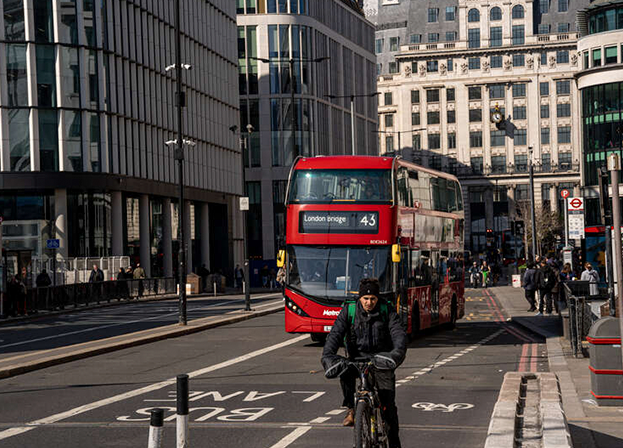
Experience a Whole New Culture
Be it a cup of tea in a charming café or a pint at the pub, UK university culture will leave you looking forward to the weekends. Apart from study projects, assignments, and part-time jobs, you will also get to enjoy music from hip-hop to opera and more.
From Lundy Island in Devon to the summit of Snowdon in Wales, and discovering the rural countryside in Essex, there is always an adventure to experience.
The UK climate offers days with low humidity, warm summers, and mild winters. There is sunshine and heatwaves, as well as rain and snowfall. You will experience a cold and wet climate in winter, so warm clothes and a raincoat are your best companions wherever you go.
Summer is rarely as hot compared to other countries. You can look forward to long and pleasantly bright days with fewer grey clouds in sight. Because the long, dark, rainy, cold days can feel endless, people are often happier when the sun comes out. You will find them more sociable and optimistic, relaxing on the beach in their swimmers.
On the education front, the UK government warmly welcomes international students every year. They have the opportunity to learn about various cultures and socialise with people from across the world. Community events are often specific to each culture, helping you stay connected with your roots.
Academic opportunities and a bright future await you. If you are planning to apply for a student visa in the UK, in partnership with Expert Education & Visa Services, ELA can support you in getting started with the application process.